
Community health nursing impacts populations through prevention, education, outreach, and advocacy. It can be a fulfilling, rewarding career path. Mercer University’s ABSN track prepares career changers with the nursing knowledge, clinical experience, and BSN foundation needed to pursue nursing practice across public health agencies, acute care, ambulatory care, primary care, and hospitals and health systems.
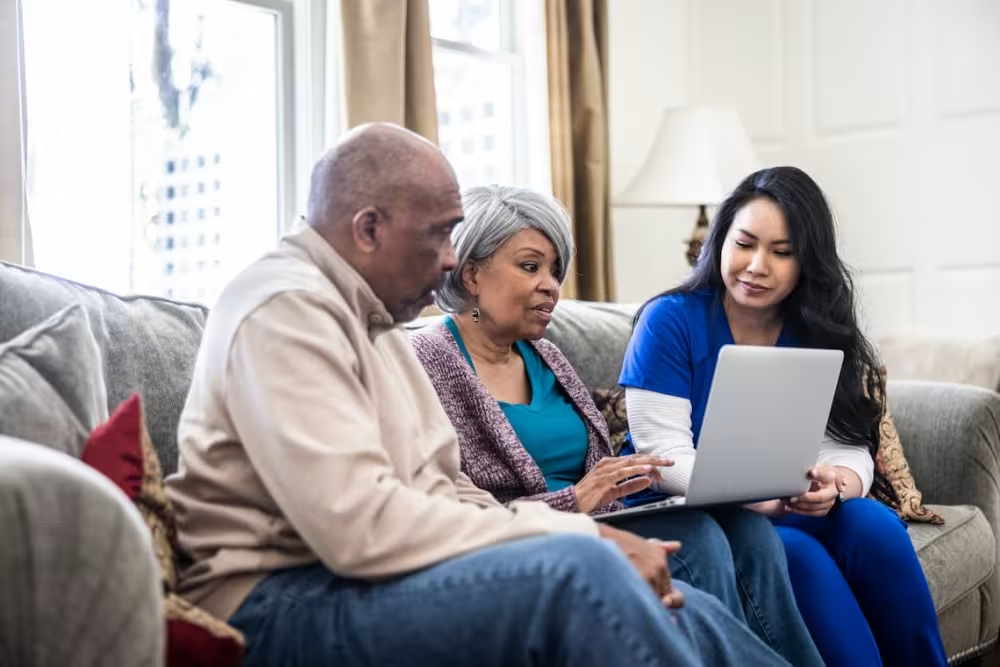
Nurses work across a range of practice areas, often in healthcare settings like a hospital environment. Nurses can practice outside the hospital in a range of settings, and population-focused practice, known as population health nursing, involves community outreach to help prevent illness, improve access to care, and achieve better health outcomes. Population health nursing is a broad framework for education and practice. Community health nursing applies that thinking within the context of a specific community.
What is community health nursing, and how does it differ from other areas of nursing practice? Community health nurses combine clinical knowledge with public health principles, taking a holistic outlook on patient health. A community health nurse provides care to individuals, but they also look at patterns, risks, and resources on a community level. Community health nursing tasks can include health education, screenings, care coordination, patient outreach, and advocacy.
If you are considering nursing as a second career, Mercer University’s Second Degree Accelerated Bachelor of Science in Nursing (ABSN) track offers a faster path into the field. The practice area of community health nursing can offer a meaningful way to contribute on a broader scale, so understanding this specialty can help you decide whether it aligns with your career goals.
What Is Community Health Nursing?
Community health nursing is nursing practice that focuses on health in the context of a community, considering the people, places, and resources that shape well-being where they live, learn, and work. It sits within the broader framework of population health nursing, which addresses health outcomes across groups of people. It also overlaps with public health nursing, which emphasizes organized efforts to protect and improve health across populations. Job titles and responsibilities can vary by employer.
Rather than focusing only on a patient's immediate condition, a community health nurse considers the factors that may influence that person’s health. Safe housing, reliable transportation, nutritious food, income, education, language, and access to health services can all affect well-being. Factors like these, classed as social determinants of health in the National Academy of Medicine’s The Future of Nursing 2020–2030 report, are key to achieving a healthier population.
Nursing with a community health focus can involve care at several levels. A nurse might help one person manage diabetes, teach a family how to reduce asthma triggers, and contribute to a community program designed to prevent chronic illness. Each activity supports the larger goal of helping more people achieve better health outcomes.
What Is the Role of a Community Health Nurse?
The role of community health nursing is broad because community needs differ. Community health nurses may assess patients, conduct screenings, administer immunizations, and teach people how to manage or prevent illness. They can connect individuals with primary care, behavioral health services, food assistance, transportation, housing support, or other local resources.
The role also includes listening. Nurses can learn more about a population's priorities by speaking with patients and partner organizations. Community health nurses may review community health data, identify gaps in services, and help design programs that respond to those findings.

Most nurses begin their careers working at the bedside. Discover why bedside nursing matters.
Where Do Community Health Nurses Work?
Community health nurses work in the areas where people live, learn, work, and gather. Common employers in this practice area include:
- Community health centers
- Correctional facilities
- Faith-based organizations
- Government agencies
- Home health agencies
- Local and state health departments
- Nonprofit organizations
- Schools
- Shelters
- Workplaces
The setting shapes the daily work. A school nurse may manage student health needs and lead prevention efforts. A health department nurse may support communicable disease prevention or maternal-child health programs. A nurse working with a housing organization may provide screenings and connect residents with ongoing care. This variety gives nurses room to find a population and work environment that fit their interests.
How Community Health Nurses Support Better Health Outcomes
Community health nurses work to impact public health by helping people stay well and supporting them as they address health risk factors early. Prevention can take many forms, including vaccination, prenatal education, chronic disease screening, injury prevention, and teaching about healthy behaviors. Early action may reduce complications and help patients avoid preventable emergency care.
These nursing professionals work with clinicians, social workers, educators, public agencies, and community groups. By bringing nursing knowledge to these partnerships, they adjust their services to suit the people they engage with.
Addressing Health Disparities Through Community Health Nursing
Health disparities are differences in health that are closely connected to social, economic, and environmental conditions.
Barriers to healthcare can affect whether someone receives preventive care, fills a prescription, or gets help before a condition becomes more serious.
Community health nursing helps address these disparities by bringing services closer to people and adapting care to local needs. A nurse might arrange interpretation, offer education at a trusted neighborhood location, or connect a patient with a care provider.
Skills Needed to Succeed as a Community Health Nurse
Community health nurses draw on strong clinical judgment, but technical skill is only one part of the role. Clear communication helps a nurse explain health information in a way that is useful and appropriate for the audience. Empathy and a holistic viewpoint of health support respectful care.
Assessment and critical thinking skills help nurses recognize both individual concerns and population-level patterns. Teaching skills are valuable when leading a class or counseling a patient. Collaboration is equally important because community programs often involve professionals across disciplines.
Why earn a BSN? Read more to learn the benefits of earning a BSN degree.
How to Become a Community Health Nurse
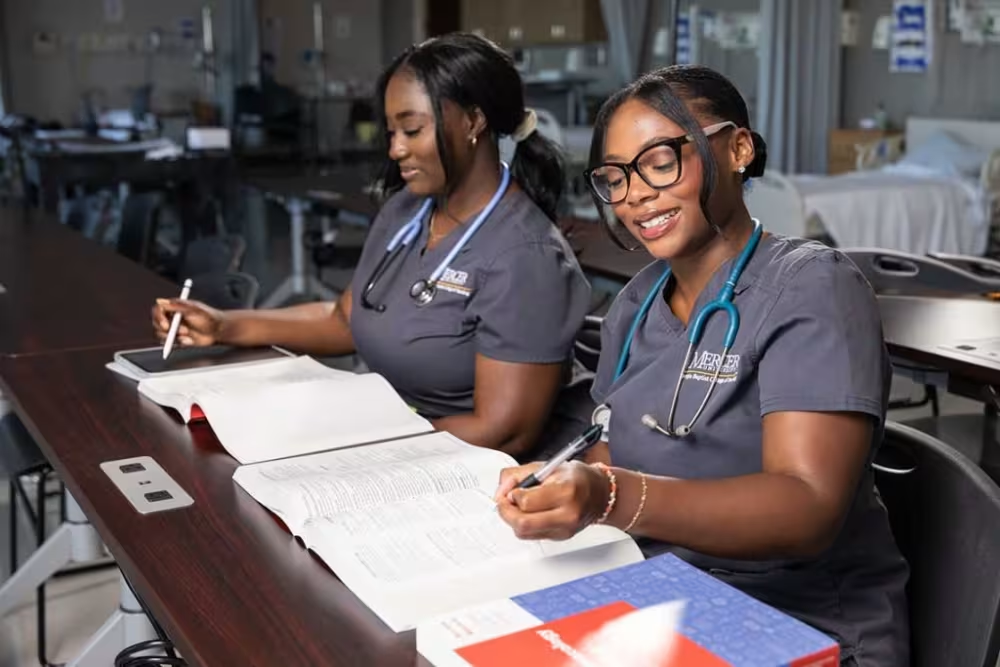
The path to community health nursing begins with a generalist nursing education. Although registered nurses can enter the profession with other degrees, a Bachelor of Science in Nursing can be especially useful for community-based practice because a BSN education includes studies in population health, evidence-based care, leadership, and collaboration.
If you already hold a bachelor's degree in another field, an Accelerated Bachelor of Science in Nursing program can build on your previous college education and provide a faster route to a BSN. Mercer University's ABSN track offers a path for students with a non-nursing bachelor's degree to earn a BSN in as few as 12 months. Mercer’s ABSN curriculum combines online coursework with in-person skills and simulation labs at the Learning Site in Atlanta, as well as clinical rotations with some of the top healthcare facilities in the Atlanta metropolitan area.
The curriculum includes a Population Health Nursing course, which looks at health from the individual level to the global community. Students explore social determinants of health and the nurse’s role in health policy, building the foundation that community and public health nursing practice draws on. Other coursework and clinical experiences build knowledge in health assessment, evidence-informed practice, and professional role development.
After graduation, graduates can register for the NCLEX-RN. Passing the exam and meeting state requirements are steps to becoming a licensed RN.
Licensed RNs may pursue community or public health nursing positions that align with their interests. Continuing education and optional public health credentials may support later growth.
Is Community Health Nursing a Good Career?
Community health nursing can be a rewarding career for nurses who value working in varied settings with people across the lifespan. This area of care can also appeal to nurses who want to see how clinical care connects with policy and the conditions that shape health.
The broader outlook for registered nursing remains positive. The U.S. Bureau of Labor Statistics projects 6% employment growth for registered nurses from 2025 through 2035, which is faster than the average for all occupations. The U.S. Bureau of Labor Statistics also reports a median annual RN wage of $97,550 as of May 2025. These figures cover registered nurses across specialties, so pay and job opportunities for community health nurses will depend on location, experience, employer, and responsibilities.
The right fit depends on your goals. If you enjoy meeting people where they are, solving practical problems, and helping communities build lasting health resources, this specialty may be the right fit for you.

Pursue Community Health Nursing with Mercer University’s ABSN
A BSN degree can provide a versatile foundation for exploring community health nursing among other nursing practice areas. If you are ready to turn your previous education into a new career serving patients and communities, request information today to connect with an enrollment counselor and learn about Mercer's ABSN track.