
A wellness nurse is a registered nurse who focuses on preventive wellness and holistic nursing care. Their goal is to help patients improve their quality of life and overall wellness while reducing their risk of disease and managing chronic conditions. Wellness RNs often work in long-term care settings.
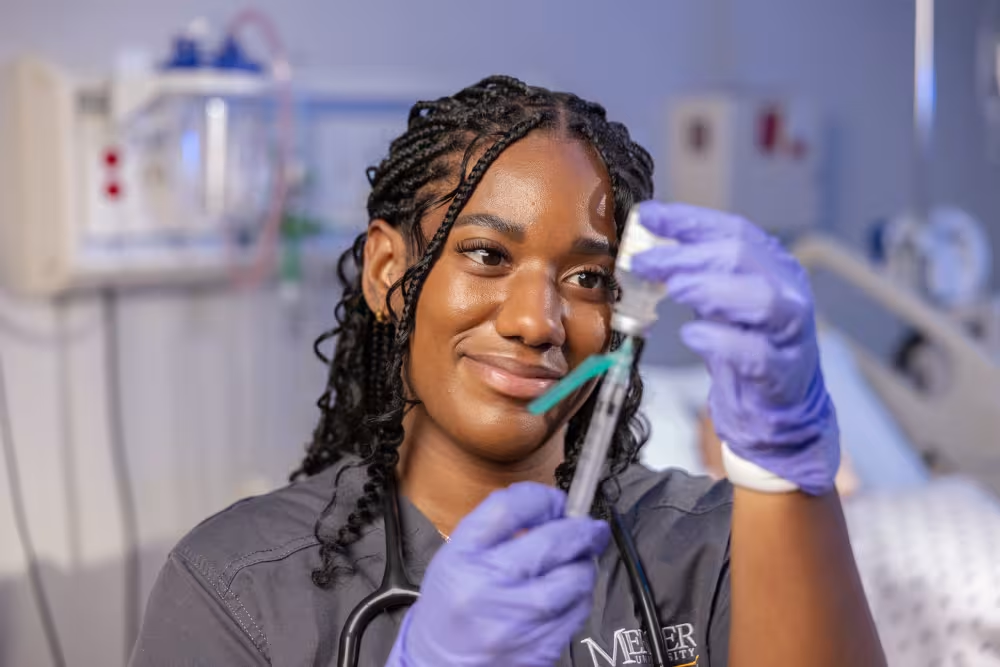
A wellness nurse is a registered nurse (RN) who focuses on promoting overall well-being through preventive care. These nurses generally do not treat acute illnesses or injuries, but more commonly work with patients who have or are at risk for chronic conditions. This can be a good career choice for individuals who enjoy educating people about lifestyle changes that improve wellness and prevent health problems.
Mercer University’s Second Degree Accelerated Bachelor of Science in Nursing (ABSN) track empowers students with a non‑nursing bachelor’s degree to earn a BSN in as few as 12 months. This accelerated track prepares graduates for RN licensure and opens doors to many specialties, including wellness nursing.
If you are considering nursing school and this practice area appeals to you, take a closer look at common questions about wellness nursing, such as “What are a wellness nurse’s main responsibilities?” and “Why is wellness nursing growing in demand?” Discover the requirements and steps to begin as a nursing student and start toward a nursing career.
What Is a Wellness Nurse?
A wellness nurse is an RN who focuses on health promotion. These nurses take a holistic approach to nursing, considering the whole patient instead of focusing only on symptoms. Their role is to help patients prevent illnesses and injuries and manage chronic conditions they already have. These RNs generally do not treat acute or short-term illnesses or injuries.

Discover what nursing schools look for in applicants.
What Does a Wellness Nurse Do?
Wellness nurses provide holistic care by educating patients and their caregivers. They start by learning about the patient’s health concerns, medical and family history, and lifestyle.
They consider lifestyle factors such as diet, exercise, stress, sleep, and substance use, along with personal and family medical history. This helps them gauge the patient’s risk of conditions like heart disease or diabetes.
With this information, wellness nurses give personalized education that empowers patients to make lifestyle changes to lower health risks. Education also helps people manage chronic conditions.
Along with patient education, other key tasks of a wellness nurse include:
- Care plan management: These nurses develop nursing care plans for each of their patients. These plans may include dietary recommendations, exercise guidelines, and stress reduction techniques.
- Chronic disease management: These nurses help patients manage chronic diseases by monitoring symptoms, interpreting test results, administering medications, and helping patients adhere to treatment plans.
- Preventive care: Preventive care is a cornerstone of wellness nursing. These RNs conduct and recommend health screenings to identify potential problems as early as possible.
Wellness Nurse vs. Traditional Nurse: What Is the Difference?
Traditional acute care nurses, such as medical-surgical or critical care nurses, diagnose and treat sudden health issues. They help patients recover and leave the hospital.
By contrast, wellness nurses can work in a wider range of practice areas like clinics and office settings. They place an emphasis on long-term health promotion and prevention, while still considering physical, emotional, and social needs. They administer preventive care and help patients manage chronic conditions through education instead of treating acute illnesses.
Why Wellness Nursing Is Growing in Demand
One reason this nursing specialty is growing in demand is that the U.S. population is aging. Older patient populations tend to have multiple chronic conditions that require holistic management. Older adults can also benefit from a focus on improving quality of life, rather than treating symptoms as they emerge.
Key Skills Needed to Be a Wellness Nurse
A nurse who focuses on holistic care in nursing can benefit from a skillset that emphasizes power skills, including:
- Compassion and empathy: Emotional intelligence skills can help nurses develop a good rapport with their patients.
- Communication skills: Clear and gentle communication is important for teaching patients and caregivers about healthy habits.
- Critical thinking and problem-solving skills: These skills are helpful when analyzing the needs of a patient with complex co-morbidities and developing an appropriate nursing care plan.
- Holistic health knowledge: Wellness nurses need to evaluate the whole patient, considering their physical, emotional, and social needs. Holistic wellness promotes lifestyle changes, such as good nutrition and better sleep.
Where Do Wellness Nurses Work?
Wellness RNs may work in long-term care facilities, such as nursing homes, senior living communities, and rehabilitation centers. They often care for geriatric patient populations, helping them manage chronic health conditions and lead a healthier, more rewarding lifestyle.
Other work settings for wellness nurses include hospitals and outpatient clinics. Some may work in private practice, while others work in a corporate setting.
What is nursing school like? Learn what you can expect when you enroll.
How to Become a Wellness Nurse
If you are interested in this nursing specialty, the steps to become a wellness nurse include:
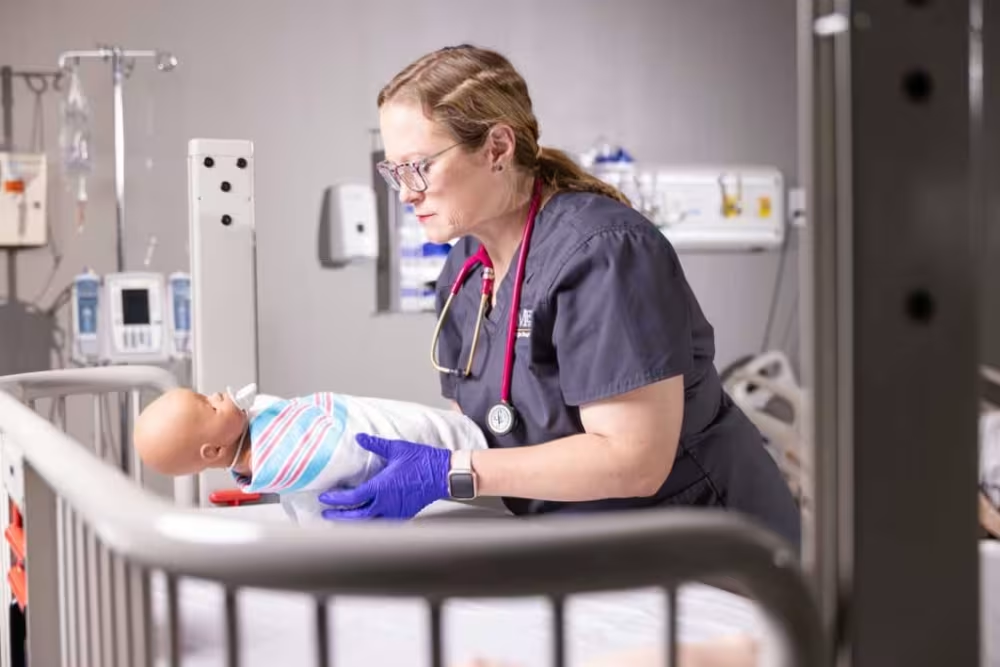
- Earn a BSN: Mercer University’s ABSN track enables you to earn a BSN in as few as 12 months after completing any needed prerequisites. You will complete coursework online, participate in in-person nursing labs, and complete clinical rotations to gain hands-on experience.
- Pass the licensure exam: After graduating, you will take the NCLEX-RN exam. Upon passing, you can obtain your RN license.
- Gain clinical experience: Before becoming a wellness nurse, you may need to gain clinical experience in a geriatric, rehabilitation, or other long-term care setting.
- Obtain certification: After gaining experience as a wellness nurse, you may decide to obtain professional certification as a reflection of your skills and expertise. One option is the Health and Wellness Nurse Coach Board-Certified (HWNC-BC) credential from the American Holistic Nurses Credentialing Corporation (AHNCC).
Wellness Nurse Career Outlook and Opportunities
The U.S. Bureau of Labor Statistics (BLS) does not provide job growth projections for most individual nursing specialties, but general job growth information for all types of RNs is available. According to the BLS, RNs are projected to enjoy a 5% job growth rate from 2024 through 2034, faster than average, indicating about 166,100 RN jobs will be added during this period.
Wellness nurses can work in senior living facilities, corporate wellness departments, or other settings that promote holistic care. With experience and certifications, they can advance to roles like nurse manager or wellness director.
Is Wellness Nursing Right for You?
During nursing school, your clinical rotations will help you determine if this nursing specialty is right for you. You may have opportunities to work shifts in both acute and long-term care. You can gauge which of these clinical settings you prefer, based on your own experiences.
Wellness nursing may also be a good fit for you if:
- You build a good rapport with your patients.
- You enjoy empowering patients to make informed health decisions.
- You have strong communication and patient education skills.
- You prefer the idea of focusing on preventive care rather than treating acute conditions.
- You would enjoy working with an older patient population.

Start Your Career in Wellness Nursing with Our ABSN Track
If holistic care in nursing appeals to you, you can start on the pathway toward becoming a wellness RN at Mercer University. Our ABSN track enables you to earn a BSN in as few as 12 months with three start dates per year, so you can get started sooner. Our students enjoy our small class sizes, state-of-the-art lab equipment, and Academic Success Coaches.
Request information and connect with an enrollment counselor for more information.