
Travel nursing is an in-demand career where you will travel to areas in need of nurses and join units to deliver care on a temporary basis. To enter this career path, you need to earn a nursing degree, pass the NCLEX-RN, and gain experience in critical care settings.
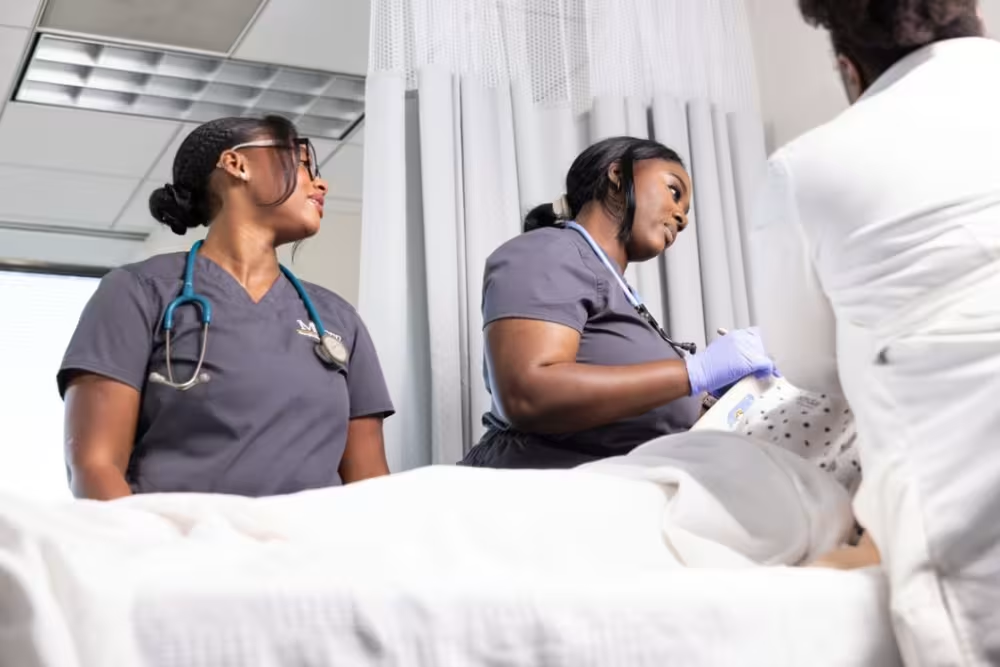
As healthcare demands fluctuate, travel nurses provide vital support and care to hospitals and patients in need. Over the next 15 years, a career in travel nursing is expected to experience above-average growth.
If you want to help combat the nursing shortage, the first step to becoming a travel nurse is to earn your nursing degree. Mercer University’s Second Degree Accelerated Bachelor of Science in Nursing (ABSN) track provides the education students need to earn their nursing degree. Students will graduate with the skills required to pursue a career in nursing, pass licensure exams, and gain experience before becoming a travel nurse.
What is Travel Nursing?
At its core, travel nursing involves traveling to high-demand areas and providing care for patients on a temporary basis. Travel nurses must gain experience in critical care settings for a specified period before being accepted by most agencies, often one or two years. Travel nurse positions are typically filled by agencies, with work obligations, pay, and benefits set by contract. Contract lengths range from weeks to months.
As a travel nurse, you must have previous patient care experience, as you will provide a high standard of patient care in new and unfamiliar environments.
What Do Travel Nurses Do?
Caring for patients’ needs, filling healthcare gaps, and quickly learning new hospital systems are among the many roles of a travel nurse. These professionals must be ready to enter a new work environment on short notice, adapt to different team dynamics and systems, and provide high-quality care to patients.
Because travel nurses fill healthcare gaps, they often step in for absent staff members, support hospitals in areas with staff shortages, and stabilize patients during emergencies, crises, or outbreaks. Your perspective could make a valuable difference for patients in need.
As a nurse who travels to different hospitals, you must quickly learn the layout of new hospital facilities and follow different policies and procedures.
How to Become a Travel Nurse
Travel nursing is a career that combines travel, healthcare, and patient care. How does one begin a career in travel nursing, one of the fastest-growing fields with many opportunities and benefits?
First, you will need to apply to a nursing track and earn a nursing degree. After gaining bedside experience as a registered nurse, you will be able to explore exciting travel nursing opportunities and contracts.
Research Nursing Tracks and Apply
A future travel nurse should look for a nursing program that combines a strong foundation in nursing theory with in-person labs and clinical rotations.
Mercer’s ABSN track provides students with support and accessibility along with these key aspects for nursing education. Once a track is selected, the aspiring nurse should speak with an enrollment counselor, who will help guide the application process.

Want to know more details about applying to nursing school? Learn more about what nursing schools look for in applicants.
Earn a Nursing Degree
To provide high-quality healthcare in high-demand areas, one travel nursing requirement for all contracts is a nursing degree. This degree prepares students for work experience as registered nurses and for future roles in high-demand areas as travel nurses. Although it is possible to become a nurse with an Associate Degree in Nursing or through a nursing diploma program, a Bachelor of Science in Nursing (BSN) provides stronger career opportunities and better preparation for the profession. While earning a nursing degree, a future nurse gains valuable hands-on experience in practicing the essential skills needed to become a nurse.
Prospective nurses must also pass the NCLEX-RN, which thoroughly evaluates satisfactory nursing knowledge and skills.
Gain Experience as a Practicing RN
Providing care in a new or unfamiliar facility can be challenging. Therefore, a registered nurse must gain one to two years of practical experience before becoming a travel nurse. After earning a nursing degree, nurses can build confidence in their skills before caring for patients in different hospitals and situations.
Explore Travel Nursing Opportunities
A registered nurse can transition to travel nursing through different paths, such as researching specific staffing or travel nursing agencies. These agencies often direct experienced nurses to hospitals that need support.
A registered nurse can also search hospital websites, where short-term positions may be posted. Working with independent contractors and recruiters may be another pathway for registered nurses to discover travel nursing opportunities.
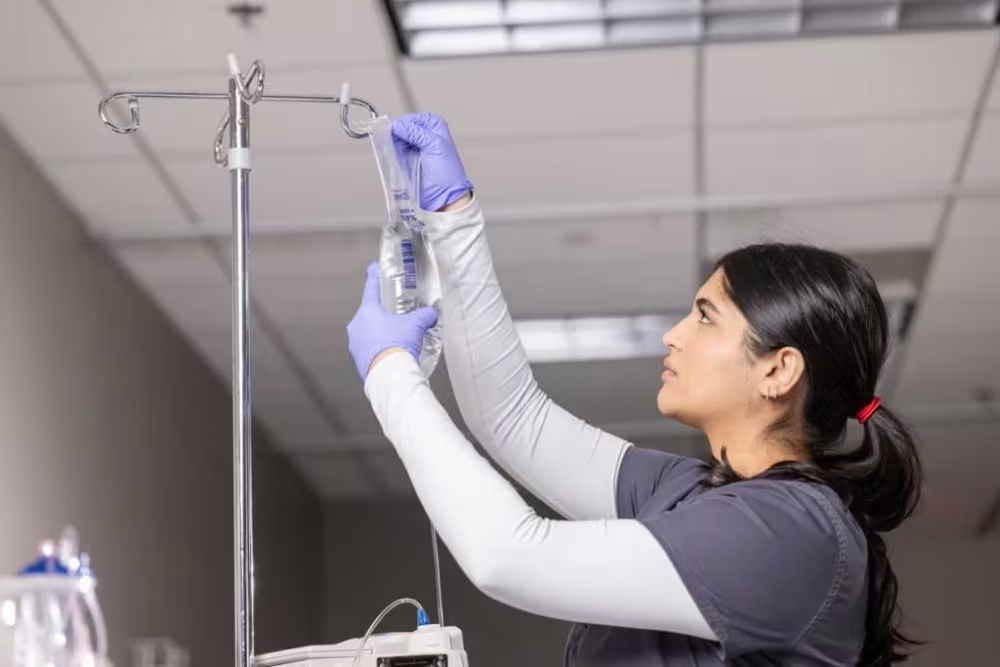
Unsure about what to do after nursing school? Find out more about what to do after graduating nursing school.
How Much Do Travel Nurses Make?
According to the U.S. Bureau of Labor Statistics, the median annual salary for a registered nurse is about $93,600. Because travel nurses fill major gaps in the healthcare system and work in intensive jobs, a career in travel nursing typically has more competitive salaries. However, each travel nurse’s salary depends on several factors, including:
- Time of the work period
- The individual employer
- Technical skills, training, and experience
- Relevant certifications
Benefits of a Career in Travel Nursing
Although travel nursing is a demanding career, it offers unique benefits. The benefits of travel nursing may include:
- Experience with a variety of hospitals and technologies
- Opportunities to network and build professional connections
- Flexible schedules and contracts
- Familiarity with different healthcare systems
- A focus on caring for patients and working in hospitals where nurses are needed
Take Your Next Steps into Nursing with Mercer’s ABSN Track
Does making a difference in patient care across the country appeal to you? If so, consider becoming a registered nurse with a BSN degree and pursuing travel nursing.
Through Mercer’s ABSN track, you will build nursing knowledge through online coursework, hands-on simulation labs, and enriching clinical rotations. If you are ready to learn more about travel nursing or becoming a registered nurse, reach out to speak with an enrollment counselor today.