
Is becoming a nurse worth it? To determine if nursing is right for you, weigh the pros and cons of nursing. Some advantages include a robust job growth rate, high salary expectations, and career advancement opportunities. Some cons include potential for exposure to germs and the need for emotional resilience.

Nurses do more than help patients heal; they provide emotional support and help patients navigate situations in our healthcare system. Switching careers to nursing may be the right path for you if you are looking for a new career that offers personal fulfillment. Before deciding whether to switch careers, it can be helpful to learn more about the nursing field and what you can expect. There are some pros and cons of nursing to consider.
If you decide that nursing could be the right career for you, you can find the support you need to achieve your goal at Mercer University. Our Second Degree Accelerated Bachelor of Science in Nursing (ABSN) track will allow you to apply your non-nursing bachelor’s degree toward earning a BSN in as few as 12 months after completing any necessary prerequisites.
To determine your answer to the question, Is becoming a nurse worth it?, consider the many advantages, like the strong job growth rate and high salary command. Then consider the challenges of nursing and evaluate if this is the right profession for you.
The Pros of Nursing
There are many compelling reasons to consider switching careers to nursing. Among these are salary expectations and a career that is in demand across a range of states, along with personal reasons, like the potential for having a career in which you can make an impact.
Strong Job Growth Rate
One advantage of choosing a nursing career is the job growth rate. There is a shortage of registered nurses (RNs) in the U.S., and the need for nursing professionals continues to increase. According to the U.S. Bureau of Labor Statistics (BLS), the job growth rate for RNs is projected to be 5% from 2024 through 2034. This indicates that about 166,100 registered nurse jobs will be added during this time.
High Salary Expectations
According to the BLS, the median annual salary for RNs as of May 2024 was $93,600. If you decide to pursue an advanced degree like a Master of Science in Nursing and move into an advanced practice role like a nurse anesthetist, your potential earnings could increase further.

Explore the many different nursing specialties to find your calling.
Widely Respected, Meaningful Career
Many individuals who are considering a career change gravitate toward the nursing field in search of meaningful work and personal fulfillment. Nursing is often seen as a career that prioritizes compassion and service to others.
In fact, public perception regards nursing more highly than any other profession. According to Gallup’s Honesty and Ethics poll, nurses have been the most trusted and well-regarded professionals, leading the poll for the last 23 years.
Diverse Work Settings & Nursing Specialties
Another compelling reason to consider switching to nursing is the diverse opportunities within the field. You can choose from numerous work settings, such as the following:
- Corporate businesses
- Dermatology clinics
- Hospitals
- Medical evacuation flights
- Nursing homes
- Outpatient clinics
- Schools
- Surgery centers
You can similarly choose from a vast range of nursing specialties. A nursing specialty is an area of practice within nursing, such as critical care, oncology, or pediatrics. There are more than 100 different nursing specialties, so you are sure to find one that suits your interests and strengths.
Plenty of Opportunities for Advancement
Once you earn a BSN from Mercer University and a state-issued nursing license, you will be able to pursue entry-level roles in the field. After gaining clinical experience, you might decide to advance your career by earning professional certifications in your nursing specialty and either a Master of Science in Nursing (MSN) or a Doctor of Nursing Practice (DNP).
An advanced degree may take you away from the bedside. For example, you can choose from roles including nurse administrator, nurse manager, nurse educator, or nurse researcher. Alternatively, you could earn board certification in your specialty to become an advanced practice registered nurse (APRN), such as a nurse practitioner (NP) or a certified registered nurse anesthetist (CRNA). Opportunities abound for dedicated nurses.

Consideration of Nursing Challenges
Nurses work in a wide range of settings, and individual experiences vary depending on specialty and work environment. Nurses experience challenges like any profession, and you can still thrive as a nurse working in the right position with the right strategies.
Emotional and Physical Resilience Are Part of the Role
Nursing is rooted in compassion and involves communicating and connecting with patients and families. Supporting people through difficult moments or challenging diagnoses makes emotional resilience an important skill. These experiences are more common in certain bedside or acute care roles, while many other nursing specialties offer a different focus.
Some nursing positions also involve an active workday. Nurses in practice areas like medical-surgical will regularly need to lift, reposition, and transfer patients, assisting them with mobility. That said, the profession offers a wide range of roles with varying physical demands. Nursing paths that typically involve less physical strain include:
- School nurse
- Telehealth nurse
- Case management nurse
- Informatics nurse
- Nurse researcher
Flexible Scheduling Is Common
Many nursing roles differ from the traditional 9-to-5 workday. In hospitals, for example, many nurses may work three 12-hour shifts per week, while others regularly work 10-hour shifts. In outpatient clinics and similar settings, eight-hour shifts are more common. Working part-time or as-needed is also normal.
For many nurses, this flexibility is a benefit. Working longer shifts over fewer days can create extended time off, allowing for more opportunities to spend time with family, pursue personal interests, or maintain work-life balance.
Focus on Your Safety and Well-Being
Working in healthcare naturally involves close interaction with patients, which is why safety is a top priority in nursing environments to prevent illness or injury. Healthcare facilities implement comprehensive infection-control measures and provide personal protective equipment (PPE) to support nurse safety. Following established protocols plays a key role in maintaining a healthy work environment.
Like many hands-on professions, nursing also emphasizes workplace safety awareness. Through training, proper equipment use, and teamwork, nurses actively contribute to minimizing risks and fostering a culture of safety.
Is Becoming a Nurse Worth It?
What are you looking for from your current career path? What would provide personal satisfaction in a new career, and could nursing be the right option for you? Becoming a nurse could indeed be worth it if you are ready for a change and interested in making a life-changing difference for patients.
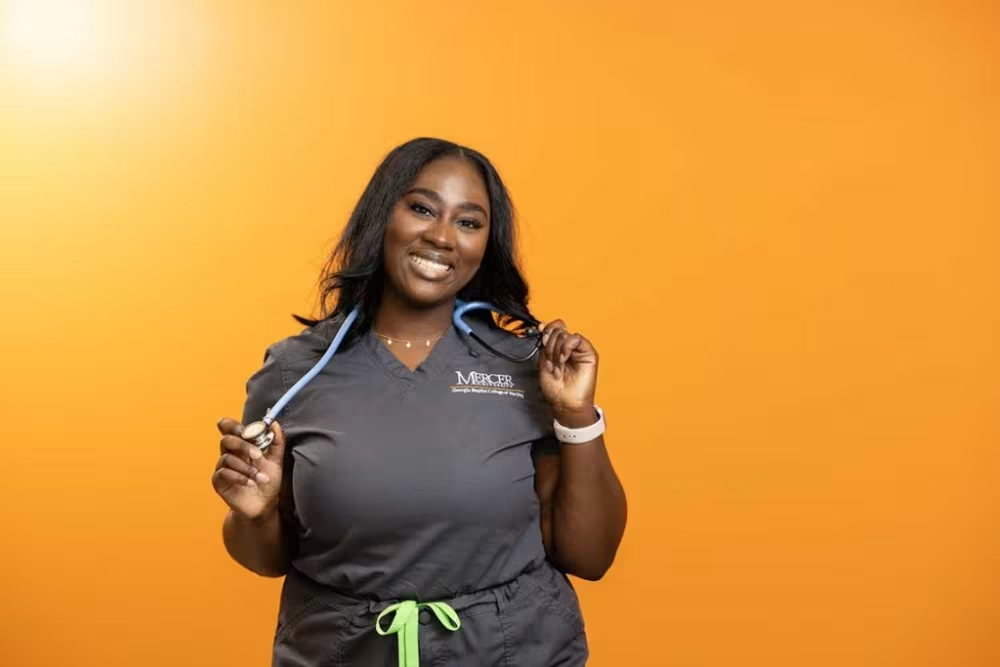
What do nursing schools consider when accepting applicants?
Achieve Your Career Goals at Mercer University
No matter where your nursing career takes you, you can draw upon a solid foundation of nursing knowledge gained through Mercer University’s ABSN track. We offer small class sizes with more personalized attention from our experienced faculty, along with Academic Success Coaches who provide one-on-one support. Unlike many ABSN tracks that may require 16 to 18 months to complete, Mercer’s ABSN track can be completed in as few as 12 months.
Get started in nursing sooner with help from Mercer University. Contact an enrollment counselor to start the conversation and receive individualized guidance throughout the admission process.